Why Mammograms Matter: The Importance of Early Detection
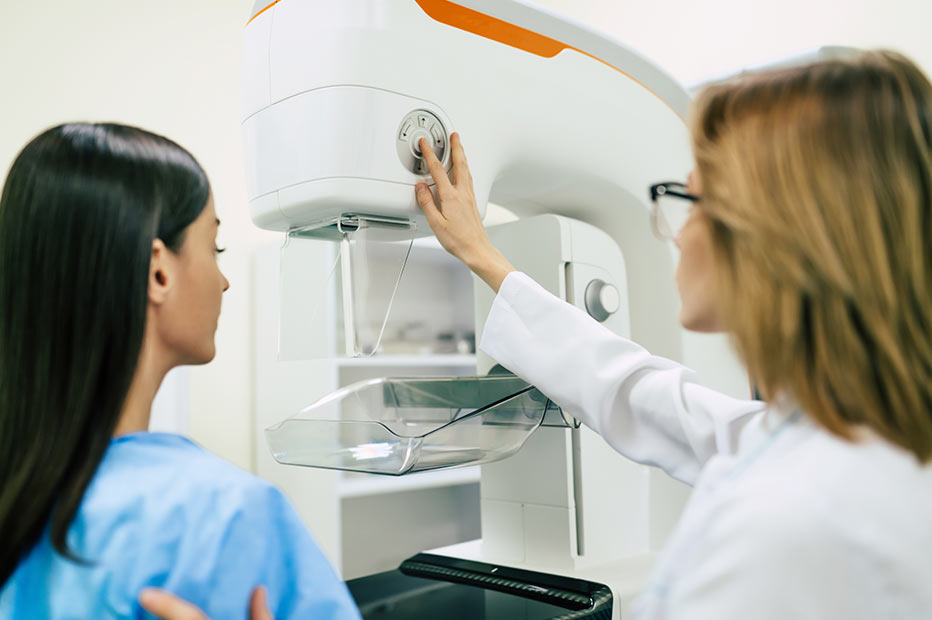
Mammograms save lives. They help doctors find breast cancer early—sometimes before you feel any pain or see any changes. Finding cancer early gives you the best chance for successful treatment.
What Is a Mammogram?
A mammogram is a special kind of low-dose X-ray that takes pictures of the breast. It helps doctors look for signs of cancer or other problems.
You may need a mammogram if:
- You feel a lump or pain
- You have nipple discharge
- You just want to get checked, even if you have no symptoms
If something looks very serious, your doctor may order a biopsy to take a closer look.
How Is a Mammogram Done?
During the test:
- You stand in front of the X-ray machine.
- The technician gently presses one breast at a time between two plates.
- The machine takes several pictures.
It may feel a little uncomfortable, but it only lasts a few seconds. A trained doctor will then check your images for anything unusual.
Why Are Mammograms Important?
Breast cancer is the most common cancer in women. But when it’s found early, the chances of surviving are much higher—up to 99%.
Even if you feel healthy, mammograms are still important. Many women with breast cancer have no signs at all.
When Should You Start?
- Age 40 and older: Talk to your doctor and start getting yearly mammograms.
- Age 55 and older: Every one to two years, depending on your doctor’s advice.
Your Breast Health Plan
Here’s how you can help protect yourself:
- Do self-breast exams at home to check for lumps or changes.
- Visit your doctor regularly for breast checks.
- Get mammograms as recommended.
If you find a lump, don’t panic. Not all lumps are cancer. Pain or changes can also be caused by periods, pregnancy, or other issues.
What Happens If Results Are Abnormal?
If something looks off, your doctor may order more tests like:
- An ultrasound
- An MRI scan
- A biopsy
These tests help your care team figure out the next steps.
FAQs: Mammograms & Early Detection
It may feel a little tight or uncomfortable, but it only takes a few seconds.
Yes. Early detection matters—even when you feel okay.
Your doctor will do more tests to find out what’s going on.
Talk to your doctor around age 40. Most women begin regular screening between 40 and 45.
Yes, but it is rare. Men should also talk to their doctor if they notice any changes in their chest area.
Sources
https://www.fda.gov/consumers/womens-health-topics/mammography#:~:text=Mammograms%20can%20help%20save%20lives,Mammograms%20cannot%20find%20all%20problems
https://www.hopkinsmedicine.org/health/treatment-tests-and-therapies/mammogram-procedure
https://www.cancerresearch.org/blog/early-detection-saves-lives-the-essential-cancer-screenings-you-cant-afford-to-skip
https://www.nationalbreastcancer.org/healthy-habits/