Prediabetes: What It Means and How to Take Early Action
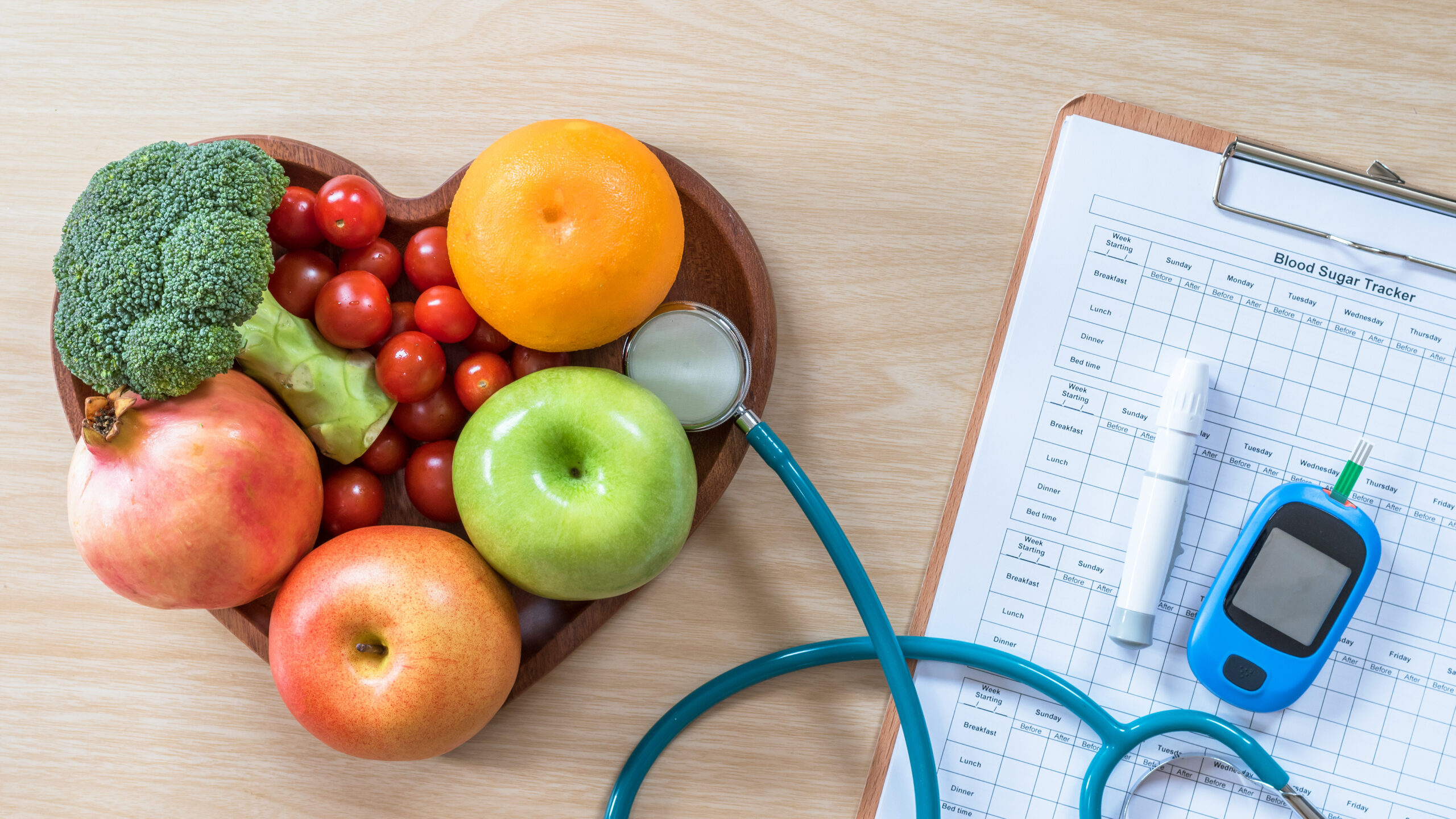
Prediabetes is a warning sign. It means your blood sugar is higher than normal, but not high enough to be called Type 2 diabetes—yet. If you take action early, you can stop it from turning into diabetes.
What Is Prediabetes?
Your body uses blood sugar (glucose) for energy. But when your body has trouble using insulin (the hormone that helps sugar go into cells), sugar builds up in your blood. This can lead to prediabetes or even diabetes.
1 in 10 people in the U.S. has diabetes. While it often affects people over age 45, more children and teens are being diagnosed with it.
Know Your Numbers
Healthy blood sugar levels are:
- 70–99 mg/dL (milligrams per deciliter)
Prediabetes numbers are:
- 100–125 mg/dL
Ask your doctor about A1C tests or fasting glucose tests to see your risk.
What Causes Prediabetes?
- Too much body fat around the belly and organs
- Family history (genetics)
- Eating lots of sugary, fried, or processed foods
- Not getting enough exercise
- High stress or hormone issues
Are You at Risk?
You may have a higher risk if you:
- Are over age 45
- Are overweight or inactive
- Have high blood pressure
- Have a parent or sibling with diabetes
- Eat unhealthy foods
You Lower Your Risk
Healthy habits can make a big difference:
- Eat more veggies and fiber
- Cut out added sugars and fried foods
- Move your body every day
- Lose extra weight if needed
- Get enough sleep
- Quit smoking and manage stress
These small changes can help reverse prediabetes and improve your energy and mood.

Helping Kids Stay Healthy
To reduce your child’s risk:
- Offer smaller portions
- Cut back on refined carbs and sugar
- Encourage play and activity every day
- Add more fruits, vegetables, and whole grains
How Is Prediabetes Diagnosed?
Doctors use blood tests to check:
- A1C: shows your average blood sugar over 2–3 months
- Fasting glucose test: checks blood sugar after not eating for 8 hours
What Can Happen If Prediabetes Is Not Treated?
Without help, prediabetes can lead to:
- Type 2 diabetes
- Heart disease or stroke
- Kidney and eye problems
- Nerve damage
Rare signs include skin tags, dark spots under the arms, or vision changes.
MPC Diabetes Prevention Program
If you are 18–64 years old and have prediabetes or are at risk, Maryland Physicians Care (MPC) offers a free Diabetes Prevention Program. It helps you:
- Lower stress
- Eat healthier
- Be more active
Talk to your doctor to see if you qualify. Learn more about the program.
Frequently Asked Questions: Understanding Prediabetes
No, but it’s a warning sign. Without changes, it can lead to Type 2 diabetes.
Yes! With healthy food, exercise, and weight loss, many people lower their blood sugar.
Most people don’t feel symptoms, but skin changes, tiredness, or vision problems can happen.
Yes, if they are overweight or have other risk factors.
Ask your doctor for an A1C or fasting glucose test.
Sources
https://www.marylandphysicianscare.com/wp-content/uploads/2021/10/DIABETES-OVERVIEW.pdf
https://my.clevelandclinic.org/health/diseases/21498-prediabetes
https://www.mayoclinic.org/diseases-conditions/prediabetes/diagnosis-treatment/drc-20355284
https://www.marylandphysicianscare.com/members/health-and-wellness/diabetes/